

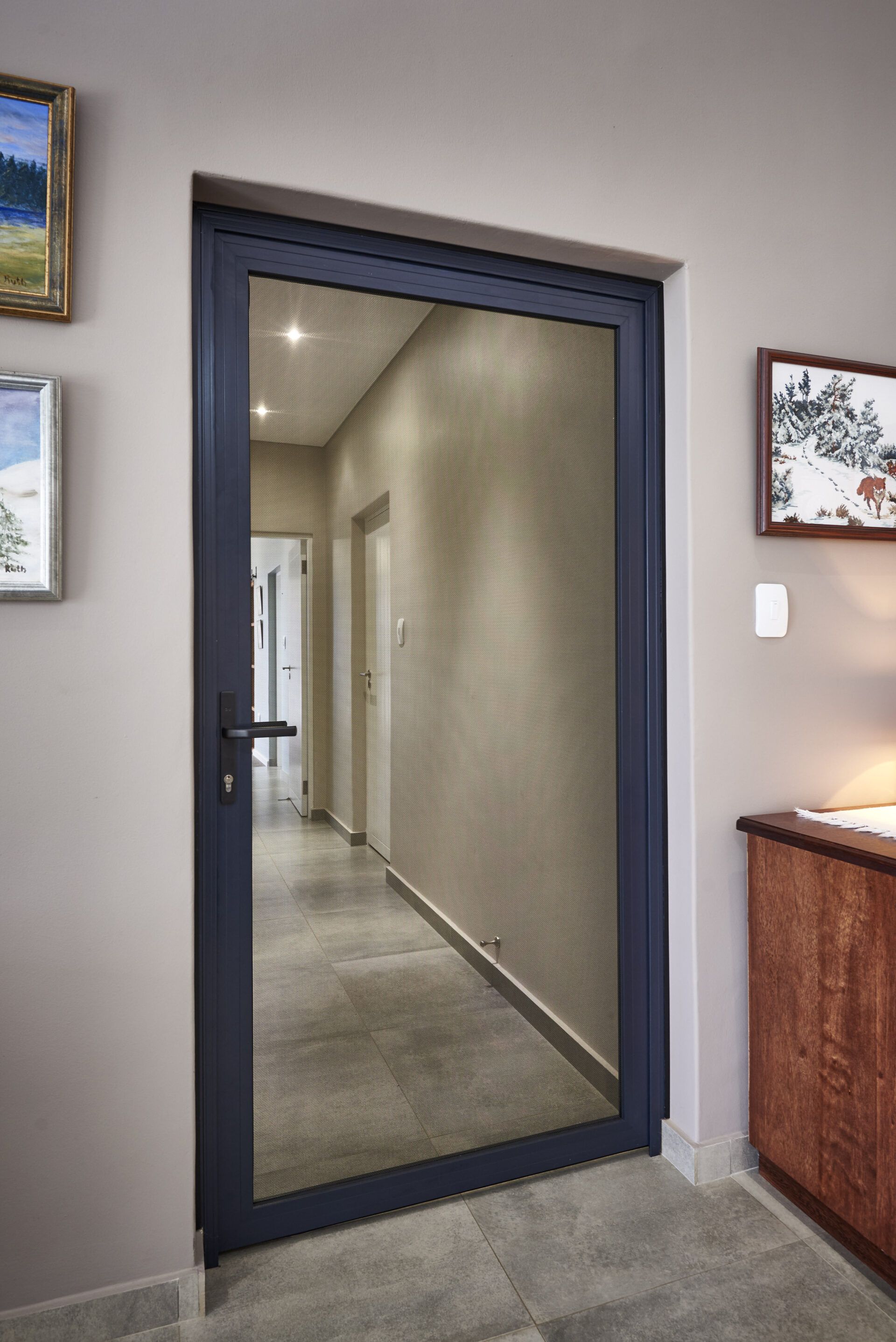
South Africa’s changing work culture is reshaping not only where people earn a living, but also what they need to consider when keeping their homes safe. As more professionals, freelancers and small business owners work remotely, the home has increasingly become a place where valuable equipment, confidential information and business-critical activities converge.
According to Pnet’s Job Market Trends Report, remote job opportunities in South Africa increased by 28% in the first half of 2026 compared with the same period in 2025, reaching a record high. While flexible working offers clear benefits, it introduces a practical consideration that can easily be overlooked: a home break-in may now have consequences that extend well beyond the household.
For a small business owner or independent professional, a stolen laptop, damaged equipment or disrupted workspace can mean missed deadlines, lost income and interrupted client services. Unlike larger organisations, smaller operations may have limited resources to absorb unexpected downtime or replace essential equipment quickly.
“Working from home has blurred the boundaries between our personal and professional lives, and that means we need to reconsider how we approach security at home,” says Damian Judge, Group CEO at Trellidor. “A home office may contain the tools someone needs to earn an income, run a business and meet commitments to customers. Losing access to those tools can have consequences long after the initial incident.”
Rethinking the risks around the home
A home-based workspace does not necessarily require a complete overhaul of household security, but it does warrant a fresh assessment of the property and how it is used.
Windows, doors leading onto patios, side entrances and other less frequently used access points deserve attention, particularly where a workspace is located nearby. The layout of the home, visibility from the street and the accessibility of potential entry points should all inform decisions about where additional physical barriers may be useful.
It is also worth considering the information and equipment kept in a home office. Computers, external drives, business documents and devices belonging to clients can all carry financial or operational value. Keeping valuable equipment out of sight and sensitive business documents securely stored can help reduce unnecessary exposure and form part of everyday home security practices.
“Security decisions should reflect how a property is actually occupied and used,” Judge says. “Someone who works from home may have different priorities from a household where everyone leaves for work each morning. Understanding those routines helps identify where practical improvements could make a meaningful difference.”
Choosing security that delivers on its promise
Physical security products can play an important role in making access to a property more difficult, but purchasing decisions should extend beyond appearance or price alone.
Homeowners should consider the intended application, the level of risk, the quality of materials, the locking arrangements and whether a product is appropriate for the opening it needs to secure. Professionally measured and installed barriers can help ensure that a solution is suited to the property rather than simply fitted as a generic addition.
Standards and independently verified performance also deserve consideration. Where relevant certification is available, consumers should establish what has been tested, what level of performance is covered and whether the certification applies to the specific product being purchased. Claims about strength or resistance should be supported by credible evidence.
A written warranty is another important consideration. Buyers should understand precisely which components and workmanship are covered, the duration of that cover, and the conditions relating to installation and ongoing maintenance. A warranty is not a promise that a break-in cannot occur; it provides clarity about the supplier’s obligations should a covered defect arise.
As with any physical security investment, following the manufacturer’s maintenance guidance and using approved installation services are important to maintaining performance over time.
Keeping work and home running
Working remotely may reduce commuting time, but it does not remove the need to think carefully about physical security. For households that also serve as workplaces, the stakes can include family wellbeing, business continuity and the ability to earn a living.
“People should not have to choose between the convenience of working from home and taking their safety seriously,” Judge concludes. “A considered approach starts with understanding what needs to be secured, choosing suitable products and making informed decisions about quality, installation and maintenance.”
As flexible work becomes a more established feature of South Africa’s employment landscape, keeping the home safe also means recognising its growing role in supporting livelihoods. As more of our lives and livelihoods move into the home, making sure it is properly secured needs to be part of the plan, not an afterthought.
Ends.
