

South Africa’s public spaces, from historic town halls and civic centres to busy transport stations and courts, are the heartbeat of community life. They are places where people gather, learn, celebrate, and connect. But as open, high-traffic environments, they also attract opportunistic and violent crime, placing both people and critical public assets at risk.
In recent months, rising violence at public institutions, including shootings outside courts and attacks near civic buildings, has underscored the urgent need for proactive physical security planning to guard South Africans and the spaces they share.
The State of Crime in South Africa’s Public Spaces
National data highlights that many residents now feel less safe walking in their own neighbourhoods, and property-related and contact crimes remain persistent concerns.
Public spaces, because they are open, accessible, and often crowded, are inherently attractive to criminal elements. Train and bus stations can be hotspots for petty theft, vandalism, and opportunistic crime, while community halls and town squares hosting events draw large groups where valuable equipment and infrastructure are present.
When crime is a daily reality, responding after the fact is no longer enough. Community safety demands forward-thinking physical security measures that deter criminal activity while keeping people and essential infrastructure secure.
Why Physical Security Matters for Communities
Effective public safety isn’t just about visible policing, it’s about creating environments that reduce vulnerabilities and delay or prevent breaches long enough for response forces to act.
This is where strong physical security plays a vital role:
- Keeping People Safe
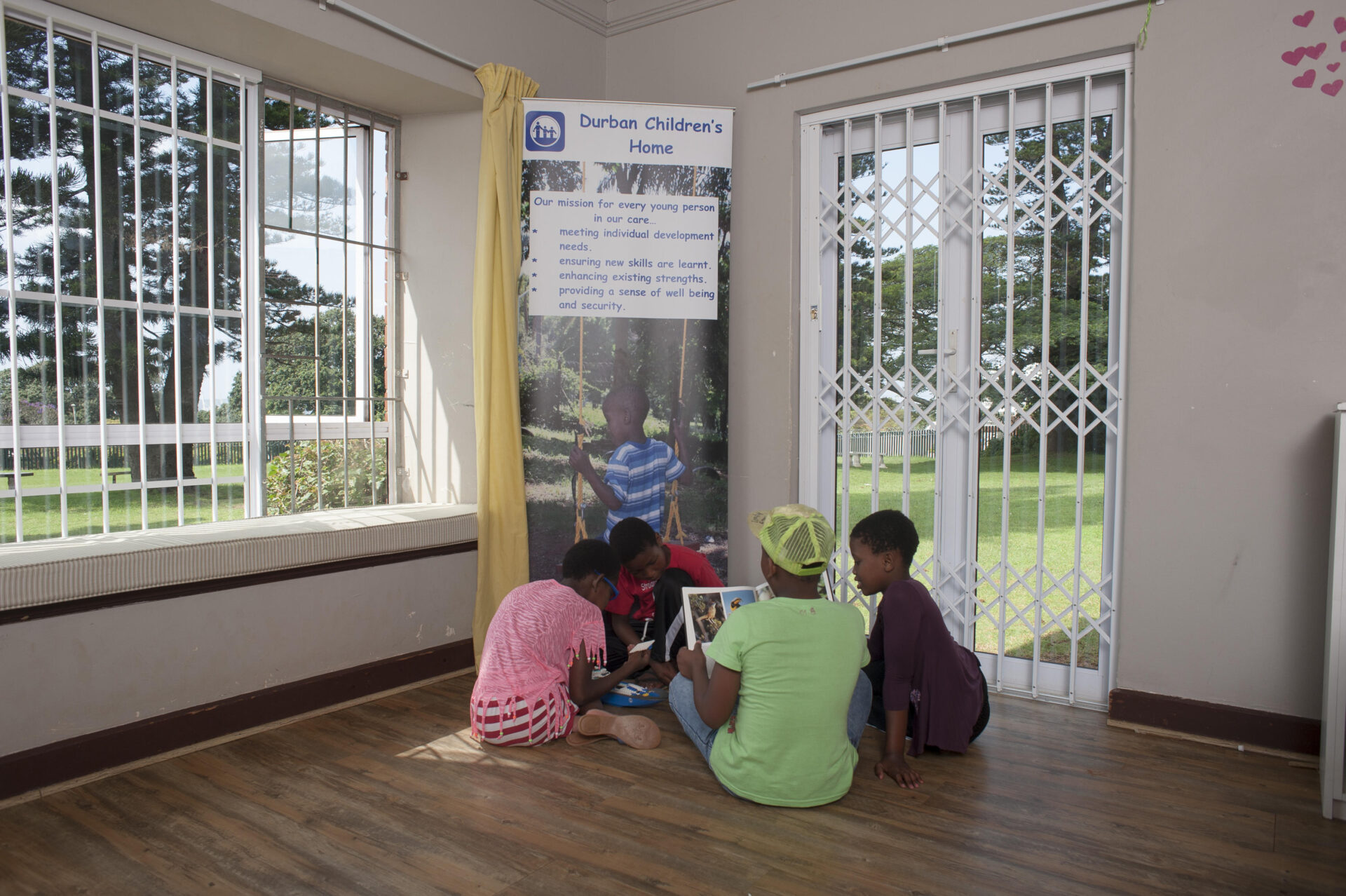
Public spaces are used not only for gatherings and civic activity, but also as places of care, learning and refuge. Schools, day care and aftercare facilities, children’s homes, women’s shelters, and other community support centres serve some of the most vulnerable members of society. Securing these environments through reinforced access points, robust barriers, and controlled entry and exit systems helps create safe spaces where children can learn, families can seek support, and exposed individuals can find safety without fear. By strengthening physical security in these settings, communities send a clear message that safety and dignity are non-negotiable priorities.
This commitment extends beyond product solutions into community partnerships. Trellidor regularly works with Early Childhood Development centres and community facilities to improve safety through practical interventions such as securing access points, repairing existing installations, and supporting infrastructure upgrades. Recent engagements with crèches in areas such as Inanda, New River and Umzinyathi reflect how targeted security improvements can help create safer learning environments for young children and peace of mind for caregivers.
- Safeguarding Assets
Community places, offices and transport nodes often house valuable equipment: sound systems, computers, administrative records, and communication technology. Loss of these assets not only creates a financial burden but can disrupt services that communities rely on. Physical barriers and controlled access help secure these investments around the clock. - Preserving Public Confidence
When citizens feel safe in shared spaces, they are more likely to engage with community life, attending meetings, using transportation networks, and participating in cultural events. Poorly protected spaces undermine trust and make people retreat from public life.
Multi-Layered Security — The Trellidor Approach
At Trellidor, we believe in a layered approach to security, where physical barriers work alongside other safety systems to deliver peace of mind for communities and institutions. Physical security is a foundational layer of any comprehensive safety strategy.
Below are key physical security considerations for community spaces:
- Access Control Points – Using secure gates and barriers at main entry points channels foot traffic through controlled paths, making it easier to monitor, screen, and manage crowds.
- Roller Shutters for After-Hours Security – For areas containing valuable equipment, like municipal offices, server rooms, or ticketing counters, durable roller shutters offer robust, tamper-resistant protection when facilities are closed.
- Maintenance and Lifecycle Management – Physical security systems must be maintained to remain effective. Warranties and post-installation care ensures that barriers stay functional, resilient, and reliable as community needs evolve.
Security investments protect operations, people and assets, and when these safeguards are thoughtfully integrated into public design, communities flourish because residents trust their spaces to be safe.
If we want South Africa’s public places to be welcoming, vibrant and safe for generations to come, it’s time to invest not just in policing after the fact, but in security that prevents harm before it happens.
Ends.
About Trellidor
Trellidor is a proudly South African company specialising in the manufacturing and distribution of security gates and window burglar proofing. Since the development of the original steel trellis-style sliding gate in the 1970s, Trellidor has expanded its product range to include internationally certified industrial-grade gates for high-security public spaces, including one of the strongest models in the world. The product line also features contemporary solutions such as see-through security screens, sliding gates in both aluminium and steel, aluminium louvre shutters, aluminium roller shutters, polycarbonate bars, and various window burglar-proofing styles.
Trellidor’s extensive franchise network ensures that products are shipped and installed professionally, providing personal service from experts familiar with local safety and security challenges. With over 70 skilled franchise teams throughout South Africa, Trellidor addresses crime concerns both locally and internationally, operating 54 franchises in 27 countries, including locations in Africa, the United Kingdom, Israel, several European countries, and Australia.
