

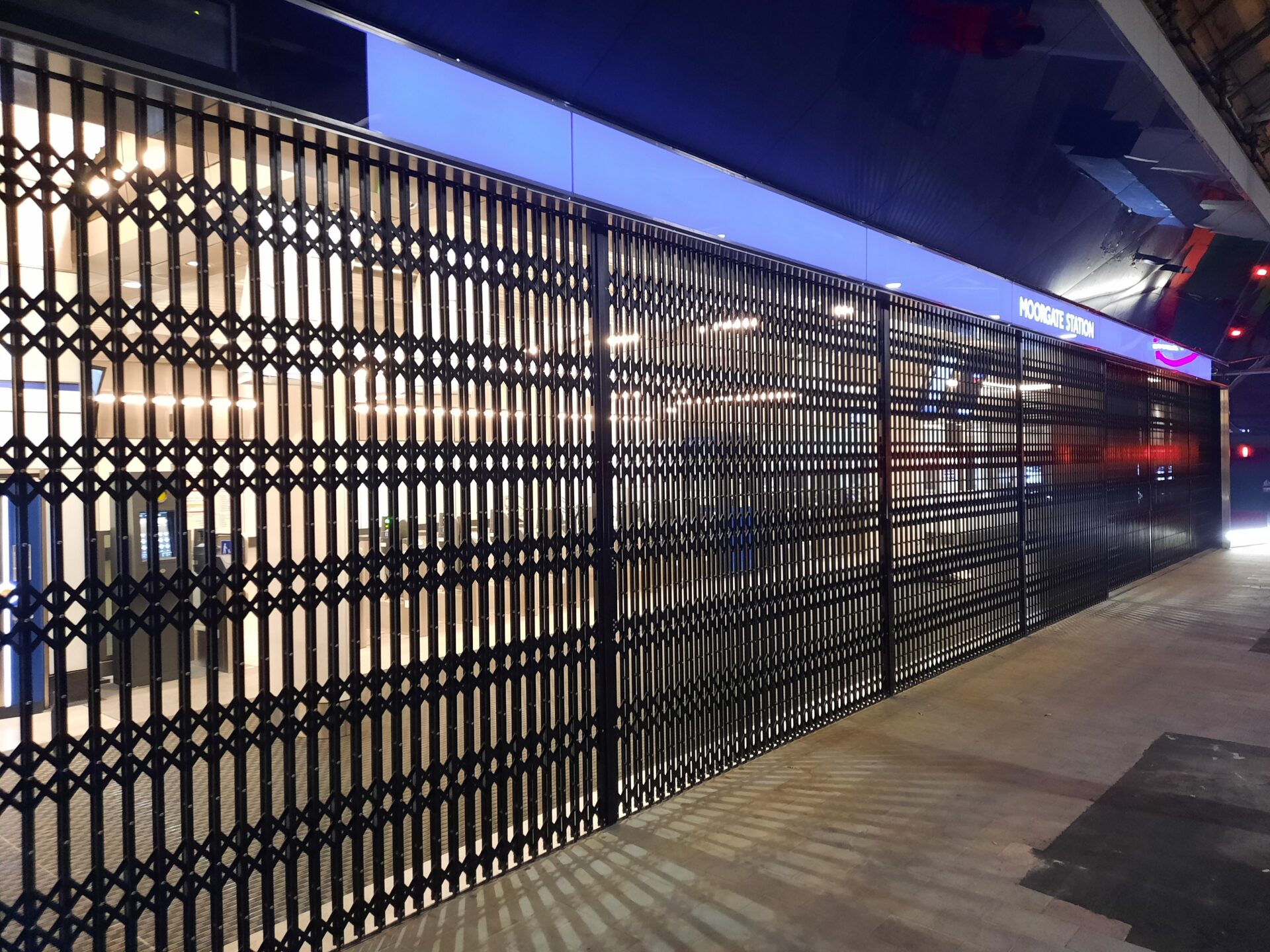
As South African businesses prepare to wind down for the festive season, security should be high on the list of operational priorities. While employees take leave and business premises operate with reduced staff or close entirely, the risk of break-ins, theft, vandalism and property damage remains. For business owners, the consequences can extend well beyond the immediate loss of stock or equipment, with insurance implications, operational disruption and unexpected financial costs potentially following in their wake.
Insurance starts with understanding risk
Business insurance is essential, but it is not a substitute for effective risk management. Insurers consider factors such as a business’s location, assets, claims history and existing security measures when determining premiums and policy conditions.
A business that experiences repeated break-ins or demonstrates inadequate risk management may face increased insurance costs, more stringent policy conditions or difficulties obtaining appropriate cover. Conversely, taking proactive steps to reduce exposure can contribute positively to an insurer’s assessment of the business’s risk profile.
Having insurance does not mean every loss is automatically covered. Policies may contain specific requirements relating to alarms, access control, physical barriers, security monitoring and the safeguarding of certain assets. Failure to comply with applicable policy conditions could complicate a claim.
“Businesses need to understand that insurance and security should work together. Insurance provides financial recourse when something goes wrong, but effective security measures help reduce the likelihood of an incident happening in the first place. Preventing a break-in is considerably better than dealing with the financial and operational consequences afterwards,” says Damian Judge, Group CEO at Trellidor.
The festive season: A window of opportunity for criminals
Businesses that close over December or operate with skeleton staff can leave unattended premises vulnerable to criminals. Retailers may be particularly exposed because of increased stock levels, while warehouses, factories and offices often contain valuable equipment and assets.
Even businesses that remain operational may experience vulnerabilities as staff take leave, security personnel change shifts and normal access-control routines are disrupted.
A festive security review should go beyond locking the doors. Business owners should assess entry points, check security infrastructure, review alarm and CCTV arrangements, and update access credentials where necessary.
Other practical considerations include removing cash from premises, securing valuable stock and equipment, checking external lighting, confirming that alarm monitoring arrangements remain active, and establishing clear procedures for responding to alerts during the closure period.
Businesses should also review their insurance policies before closing, paying particular attention to any conditions relating to unoccupied premises, minimum security requirements and notification obligations.
Not all security measures offer the same level of assurance
One of the challenges facing South African businesses is determining whether the physical security measures they invest in will perform as expected when tested.
Unlike certain building components, such as balustrades, which are subject to established standards and specifications, South Africa does not have a comprehensive national performance standard setting minimum resistance requirements for security barriers. Consequently, products that appear similar can differ significantly in their construction, material quality and ability to withstand forced entry.
Metal thickness, material strength, construction and locking mechanisms all influence a barrier’s ability to withstand attack. Independent testing helps businesses and insurers distinguish between substantiated performance claims and marketing promises.
The Loss Prevention Certification Board (LPCB), part of the BRE Group in the United Kingdom, provides independent testing and certification against established Loss Prevention Standards. These standards assess products according to defined performance requirements and different levels of security risk.
The LPCB’s RedBook Live directory provides an accessible reference for insurers, architects, engineers, risk managers and end-users seeking independently certified products and manufacturers. It allows decision-makers to verify certification rather than relying solely on a supplier’s description of a product’s capabilities.
“Businesses should be asking more questions about the actual performance of the security measures they have installed. How strong are they? Have they been independently tested? Can the manufacturer support its claims? These are important considerations, particularly when the assets and livelihoods of employees and business owners depend on those measures performing reliably,” Judge explains.
Making security part of the insurance conversation
South African insurers and risk management professionals have an opportunity to place greater emphasis on independently verified security standards when assessing commercial properties. While insurers determine their own underwriting requirements, international certification provides an objective reference point for evaluating the level of resistance required across different environments, from commercial premises to higher-risk industrial facilities.
For businesses, this also means looking beyond the initial cost of installing security measures. An inexpensive solution that fails under attack could prove considerably more costly than an appropriately specified and independently tested alternative.
The same principle applies to ongoing maintenance. Security infrastructure should be inspected regularly to identify wear, damage or mechanical faults that could compromise its performance. A system that was effective when installed may no longer offer the same level of assurance if it has not been properly maintained.
A safer festive season starts with preparation
Managing business risk requires sensible planning, effective security measures, appropriate insurance cover and an understanding of the standards against which those measures are assessed.
Businesses preparing to close over the festive season should identify vulnerabilities before they become costly incidents. Reviewing access points, checking security systems and confirming insurance requirements can help ensure preventative measures remain effective.
“Security should be viewed as a long-term business investment, not simply an expense that needs to be managed. The cost of a break-in can extend far beyond stolen property, affecting staff, customers, business continuity and financial performance. Taking the time to assess risks and make informed decisions about security can help businesses avoid unnecessary losses and enter the new year on a stronger footing,” concludes Judge.
