

Joe DeBellis, Global Head of Clean Energy at Firetrace International, explains that the rapid rollout of Battery Energy Storage Systems (BESS) is critical to accelerating the energy transition across the United States, but growth is often slowed by on-site fire risks that create hazards for developers and local communities if not properly managed. As BESS deployment increases, fire suppression products are becoming more prominent, with developers needing to select solutions that not only meet technical requirements but also help build community trust. Firetrace research found that 71% of Americans support BESS, while opposition is often driven by misinformation and fire safety concerns. The research also showed that 66% of Americans are more likely to support BESS projects when advanced fire suppression systems are installed from the outset, highlighting how fire safety directly influences public acceptance.
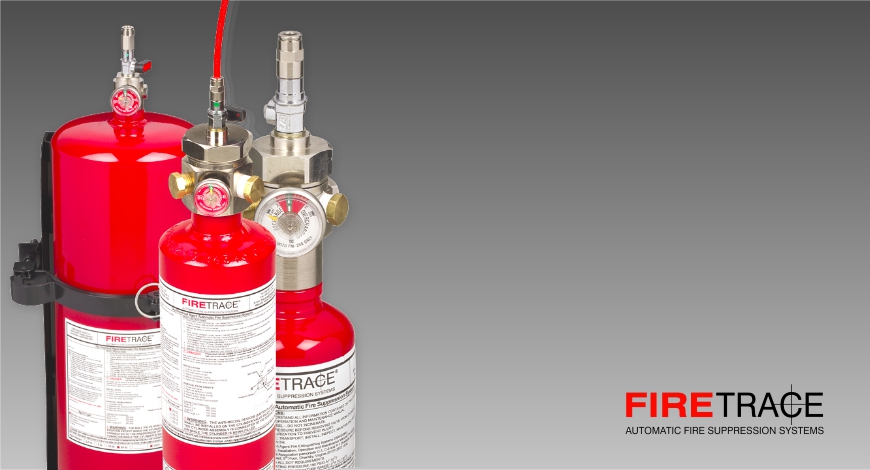
Fire risks at BESS sites extend beyond thermal runaway in lithium-ion batteries, which is often mistakenly seen as the primary hazard. According to research from Electric Power Research Institute, around 43% of BESS fires originate from electrical equipment such as Power Conversion Systems. Firetrace addresses this through a dual-solution approach combining clean agent suppression for electrical components and aerosol-based total flooding solutions for battery enclosures. Clean agent systems are designed to protect sensitive electrical equipment such as inverters, controllers and converters, enabling rapid fire detection and suppression without damaging equipment or requiring extensive cleanup. This approach reduces re-ignition risk and supports faster operational recovery.
In partnership with FirePro, Firetrace provides condensed aerosol fire suppression designed specifically for lithium-ion fire hazards. The system uses a proprietary compound that converts into a condensed aerosol during activation, interrupting fire’s chemical chain reaction without reducing oxygen levels or increasing pressure, making it suitable for enclosed BESS environments. The non-pressurised design simplifies installation because it eliminates the need for complex piping or cylinders. This approach aligns with industry guidance, including recommendations from 3M, which advises against using clean agents to stop thermal runaway directly. Instead, clean agents protect ignition-prone electrical equipment while aerosol systems protect battery enclosures, ensuring comprehensive site-wide fire protection.
Public perception remains a decisive factor in BESS project success. Firetrace research indicates that nearly 10% of Americans could shift to supporting BESS during consultation and approval phases when fire suppression is included in project design. This demonstrates how strong fire safety strategies can reduce community resistance and counter misinformation. Firetrace continues to focus on combining advanced fire suppression technologies with public education and stakeholder engagement to improve trust in BESS projects. By implementing advanced monitoring systems to detect early signs of thermal runaway and other faults, developers can enhance reliability, reduce fire risk and increase community confidence. Firetrace maintains that aligning technical fire protection solutions with public understanding is essential to ensuring long-term acceptance and success of BESS deployment.
